
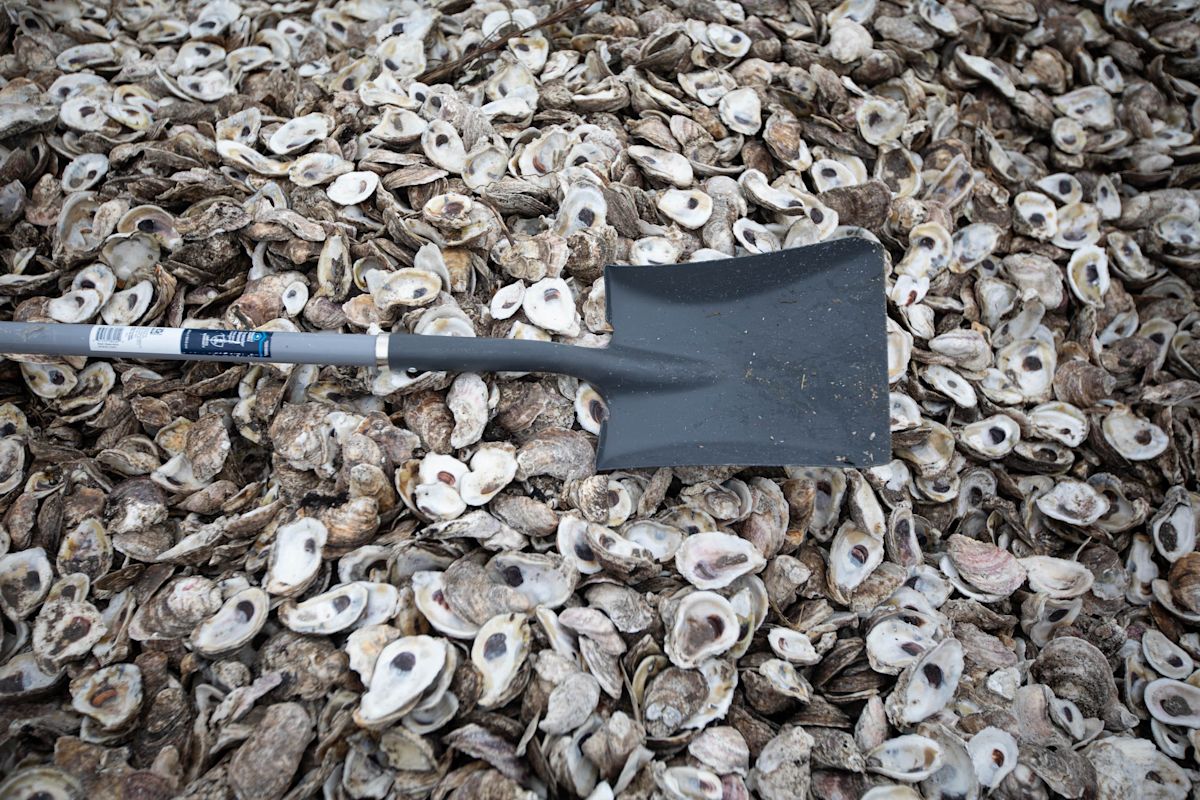
When patrons sit down to enjoy fresh seafood at a restaurant, an order of oysters served on the half shell often feels like a simple culinary treat. Yet, beneath the surface of this dining experience lies a hidden ecological consequence. When harvested oysters are consumed, their hard outer shells are commonly discarded straight into municipal trash bins and sent to local landfills, permanently stripping coastal waters of the essential natural materials needed to sustain marine ecosystems.
To combat this loss, an established conservation effort based in the Texas Coastal Bend is broadening its reach well beyond the shoreline. The Sink Your Shucks Oyster Shell Recycling Program, founded and managed by the Harte Research Institute at Texas A&M University-Corpus Christi, has officially extended its collection operations to dining establishments in San Antonio, ensuring that discarded shells make their way back to Texas coastal bays rather than rotting in trash heaps.
The expansion is made possible through a strategic collaboration with the South Texas Coastal Initiative. For years, the recycling initiative focused primarily on coastal communities, collecting discarded shells from eateries in Corpus Christi and surrounding areas. By establishing a dedicated collection route in San Antonio, the initiative bridges the gap between inland consumption and marine conservation, allowing urban restaurants to actively participate in ecological restoration.
Program leaders emphasize that geographic distance from the shoreline does not diminish the impact consumers and businesses have on marine environments. Stephanie Tierce, program coordinator for Sink Your Shucks, noted that the new partnership proves individuals do not need to reside along the coast to help protect it. She explained that an oyster consumed in an inland city like San Antonio can ultimately return to the water to form vital habitat for future oyster generations, establishing a complete cycle that goes from bay to table and back to the bay.
The San Antonio phase of the recycling program has already gained traction across several notable dining establishments. Collection operations are actively underway at Southerleigh Fine Food & Brewery, Brasserie Mon Chou Chou, and Pullman Market, all located in the city’s historic Pearl District, as well as Little Em's Oyster Bar situated in the historic King William district.
Facilitating the logistical side of the operation is Mission Compost, a key partner that has already gathered and diverted more than 5,000 pounds of discarded oyster shells from these initial participating venues. With collections successfully underway, program organizers are actively seeking to recruit additional San Antonio restaurants into the network, encouraging interested culinary businesses to reach out by email at Eric@Ejdcomp.com to join the sustainability movement.
Restaurant leaders involved in the partnership have embraced the environmental responsibility that comes with serving Gulf seafood. Aaron Juvera, chef de cuisine at Southerleigh Fine Food & Brewery, stated that working alongside Sink Your Shucks and the South Texas Coastal Initiative allows the restaurant to fulfill a full life cycle for every oyster plated. He highlighted that returning shells to rebuild vital coastal reefs aligns with their dedication to sustainability, supporting Texas oyster growers, educating diners and staff about local oyster diversity, and actively regenerating the marine ecosystem.
The biological necessity of returning shells to the water is rooted in the early life cycle of oysters. Newly spawned oyster larvae are microscopic and completely lack shells of their own. For approximately three weeks, these young oysters swim freely through the water column searching for a hard, stable structure to settle upon. Their preferred substrate is the calcified surface of other oyster shells, where they can permanently anchor themselves and begin growing their own protective shells.
Without sufficient quantities of recycled shell returned to bay bottoms, young oysters struggle to find suitable surfaces to attach to, hindering the natural growth of reefs. Beyond providing nurseries for new oysters, healthy oyster reefs serve as critical living infrastructure for the broader coastal environment. The complex structures offer vital habitat for various fish and shellfish species, help stabilize shorelines against severe wave erosion, and act as natural water filtration systems that continuously clean coastal bays.
The Sink Your Shucks program boasts a proven track record of successful environmental restoration across the Coastal Bend. Over its operational history, the initiative has returned millions of pounds of recycled shells to the waters of the Mission-Aransas Estuary, successfully establishing and reinforcing reefs throughout Aransas, Copano, and St. Charles bays. Expansion efforts have continued to push into new territory, including the addition of a newly restored reef located just off Mustang Island in the Upper Laguna Madre.
Community engagement has served as the backbone of these restoration accomplishments. Volunteers of all age groups, including local students from the Rockport-Fulton, Flour Bluff, and Corpus Christi independent school districts, regularly assist the Harte Research Institute by shoveling shell into buckets and helping deploy materials directly into locations such as St. Charles Bay near Goose Island State Park.
The newly added San Antonio venues join a long and robust roster of regional seafood establishments that support the Sink Your Shucks initiative. The broader coalition of participating restaurants includes Black Diamond Oyster Bar, Castaway's Seafood, Copano's Restaurant, Dai Due, Doc's Seafood and Steaks, Dokyo Dauntaun, Dorado's Restaurant, Fulton Irish Pub, Hometown Seafood, KC's Oyster Shack, Latitude 28°02' Restaurant, Saltwater Grill, The Boiling Pot, Virginia's on the Bay, and Water Street Oyster Bar.
As the program continues to build momentum through its expanded inland partnerships, hands-on field operations remain scheduled along the coast. The Sink Your Shucks team is preparing for its next major community reef restoration event, which is scheduled to take place at Goose Island State Park on October 3, where volunteers will once again help return recycled shells back to the Texas waters where they belong.





(0)