
A comprehensive wildlife study is scheduled to begin along a vital desert transportation corridor in Southern California, establishing the scientific foundation for two planned wildlife overpasses designed to protect native animals and passing motorists. The Wildlands Network recently announced the research initiative to monitor wildlife movements along State Route 62, an increasingly congested highway traversing the Mojave Desert east of the Victor Valley.
Focused on the critical stretch of highway connecting Yucca Valley and Palm Springs, the upcoming research effort will assess the extent to which the existing road network fragments natural desert habitats. By gathering detailed movement data through the corridor, conservationists and planners intend to guide the strategic design and placement of the two planned overpass structures.
The non-invasive field surveys will concentrate on several key mammal species native to the Mojave Desert, primarily mountain lions, desert bighorn sheep, bobcats, and mule deer. These animals regularly traverse the surrounding desert landscape in search of resources, territory, and mates, but encounter severe hazards when navigating the active highway lanes.
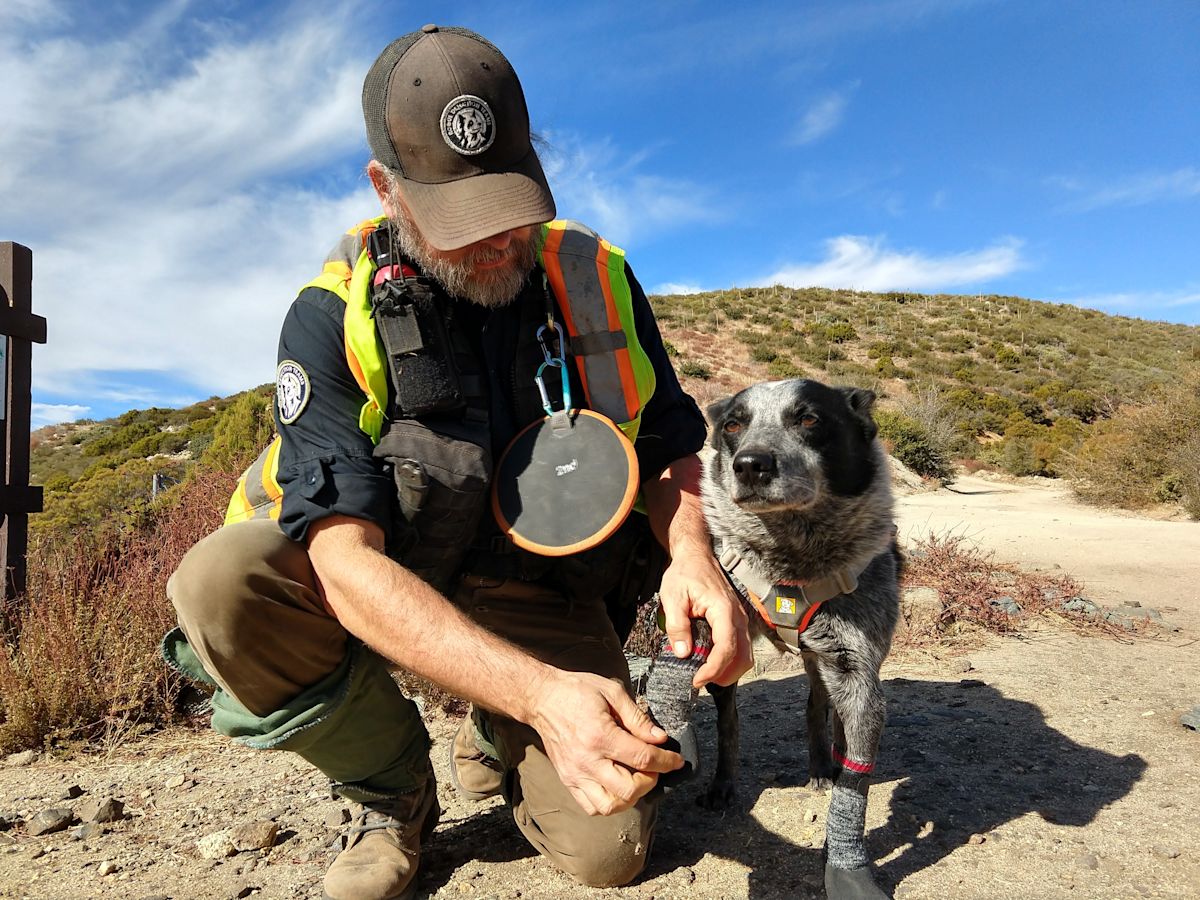
To track animal activity without capturing or stressing local fauna, field researchers will employ non-invasive scent-detection methods. Highly trained detection rescue dogs will work in tandem with experienced field biologists who possess in-depth knowledge of wildlife tracking, local ecology, and physical signs left by desert species.
The primary objective of these field teams will be locating animal scat, or fecal droppings, across the study zone. The canine detection teams will search specifically for droppings from bobcats and mountain lions, while a specialized research team with years of expertise studying desert bighorn movement, genetics, and habitat use in the Mojave Desert will oversee the collection of bighorn sheep scat.
Following field collection, all samples will be transported to specialized genetic laboratories for DNA extraction. This testing process will allow researchers to identify individual animals, track specific crossing behaviors, and construct an accurate picture of how genetic exchange and physical movements are currently taking place across the highway corridor.
Field operations have been organized into targeted time slots over the coming weeks. The specialized bighorn sheep survey will take place on September 25 between 9:00 a.m. and noon. Subsequently, on October 6, the Rogue Detection Teams and their trained scent dogs will carry out their surveys along the highway during the same morning hours.
Project advocates note that the surveys are urgently needed to address the documented impacts of highway barriers on regional wildlife. Previous independent studies, agency findings, and frequent animal collisions have highlighted the critical requirement for dedicated crossing infrastructure along this busy roadway.
A core focus of the study is evaluating how State Route 62 currently impedes ecological connectivity. Maintaining open movement pathways across the desert is essential for local wildlife populations to remain genetically healthy, as sustained isolation can lead to inbreeding depression and heightened susceptibility to wildlife diseases.
The data gathered during the autumn surveys will also establish a baseline record of wildlife interactions with the highway environment before any construction starts. This pre-construction benchmark will enable scientists to evaluate the long-term effectiveness of the overpasses by comparing animal behaviors before and after the structures are built.
The urgency surrounding the overpass project has grown significantly over the past decade due to substantial increases in regional traffic volume. Rising population numbers in the Morongo Basin, combined with a threefold increase in annual visitors traveling to Joshua Tree National Park, have driven highway traffic to unprecedented levels.
This influx of vehicular traffic has led to elevated wildlife mortality rates, particularly along the Morongo and Yucca grades of State Route 62. In a single year, multiple animal fatalities were recorded along these treacherous stretches, claiming the lives of mountain lions, black bears, deer, and desert bighorn sheep.
To address these high-risk areas, the two proposed overpasses have been designed specifically for critical points at the Morongo and Yucca grades. The engineering design calls for natural earthen foundations planted with native vegetation identical to the surrounding landscape, providing animals with a familiar and inviting crossing path over the roadway.
The planned crossing infrastructure will also feature extensive directional wildlife fencing installed along both sides of State Route 62 to steer animals toward the overpasses and keep them out of traffic lanes. Additionally, the project will incorporate specialized structural measures designed to shield crossing animals from disruptive vehicle headlights and traffic noise.
The long-term planning and wildlife monitoring partnership has received essential grant funding from the Wildlife Conservation Board and the Coachella Valley Mountains Conservancy. These financial contributions will support the Wildlands Network as it leads the multi-phase planning process to restore habitat connectivity and ensure safer travel across the Mojave Desert.








(0)