
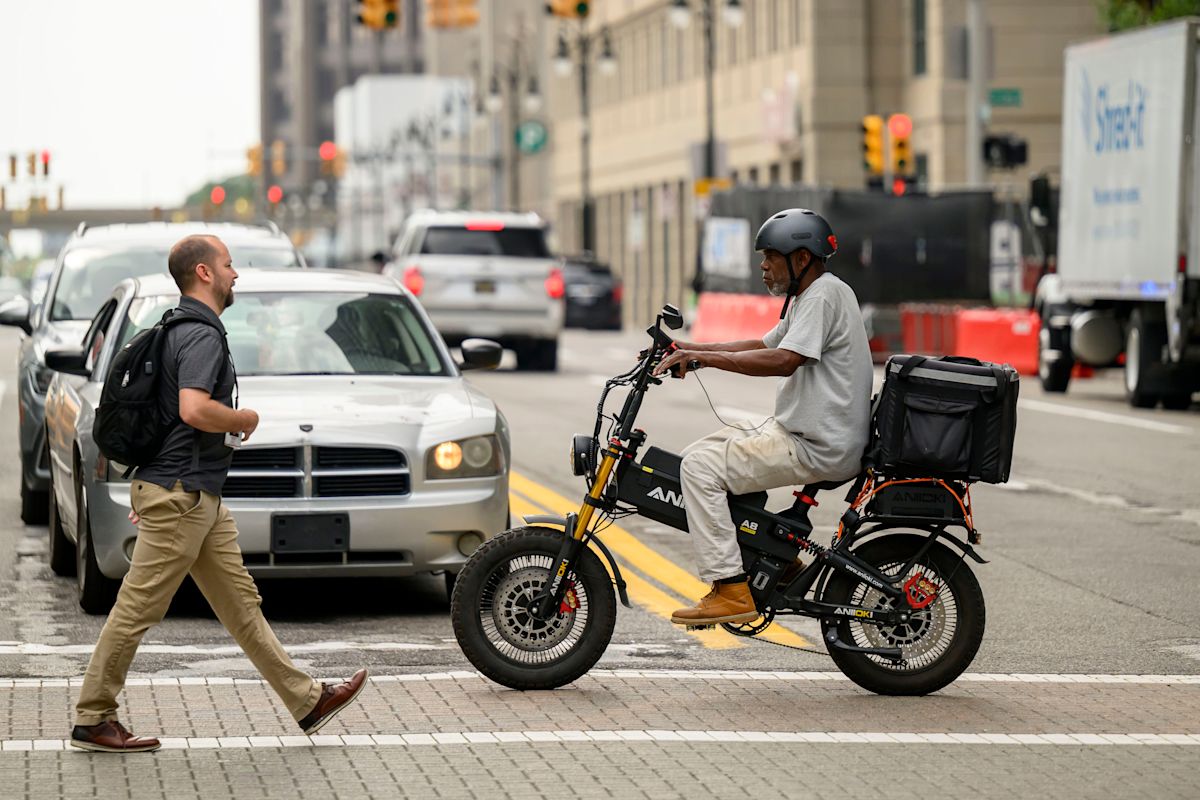
As high-speed electric bicycles, mini-motorcycles, and electric motos surge in popularity across suburban neighborhoods, members of the Warren City Council have initiated discussions on how the municipality can safely regulate and enforce traffic laws for these fast-moving devices. The emerging debate centers on pedestrian safety on public sidewalks, excessive travel speeds on shared pathways, and the practical challenges local authorities face in managing young riders.
Following an extensive review of the safety concerns during a recent council session, Warren officials voted unanimously to table the matter for further examination. The postponement highlights the difficulties municipalities face when attempting to balance modern micromobility trends with public safety, as local lawmakers grapple with crafting enforceable ordinances that keep pedestrians and young operators out of harm's way.
The conversation was spearheaded by Warren City Council Secretary Mindy Moore, who had sought to facilitate a comprehensive municipal briefing on electric bikes, electric motos, and gas- or battery-powered minibikes. However, the council's review was complicated by internal municipal friction. Moore stated that she had hoped members of the Warren Police Department would attend and provide essential law enforcement data, but claimed officers had been instructed not to cooperate with the legislative body during the discussion.
City administration officials offered a differing perspective regarding the absence of law enforcement personnel. Warren spokesperson Clarissa Cayton stated that no one representing the City Council had reached out to the Mayor's Office to formally request an informational presentation from the Police Department regarding local electric bike operations. Representatives from the police agency were not immediately reachable for further clarification on the dispute.
Despite the administrative disagreement, council members voiced shared alarm over the speed and unpredictability of these small vehicles. Moore stressed that the city must thoroughly investigate the problem, noting that determining the most effective enforcement strategy remains an unresolved hurdle. Among the potential countermeasures, she suggested that officers could seize the unauthorized vehicles or that the municipal government could levy substantial monetary penalties against parents whose children operate high-powered models dangerously close to pedestrians.
To complement punitive measures, Moore advocated for proactive community outreach, proposing that the Warren Crime Commission visit local school districts to educate students and their families about the legal restrictions and physical dangers associated with motorized bikes. Her concerns were reinforced by personal observation; she recounted witnessing a group of seven or eight juveniles popping wheelies and speeding along sidewalks outside a local nail salon, demonstrating the routine hazards occurring in commercial corridors.
Other elected leaders echoed similar experiences, emphasizing that the velocities reached by motorized minibikes far exceed traditional bicycle limits. Councilman Jonathan Lafferty shared a recent encounter where he was operating his motor vehicle at the posted 25 mph speed limit along a local roadway, only to watch a motorized minibike on the adjacent sidewalk effortlessly speed past his car. Lafferty estimated that the small vehicle was traveling in excess of 30 mph.
Lafferty underscored the severe risks inherent in such incidents, warning his colleagues and the public that the potential for debilitating bodily harm is an urgent matter that cannot be taken lightly. He stressed that sidewalk collisions at such speeds pose devastating consequences for pedestrians and operators alike, making immediate and robust municipal oversight essential to prevent future injuries.
Warren's deliberations arrive amid a wave of regulatory actions and public concern across neighboring Oakland County and the broader metropolitan region. Just one day prior to Warren's council meeting, the Bloomfield Township Board of Trustees approved a six-month moratorium that bars minors under the age of 16 from operating e-bikes and motorized scooters on township sidewalks. Under Bloomfield Township's emergency policy, law enforcement officers are authorized to confiscate devices operated in violation of the ban.
The stringent measures in Bloomfield Township followed a catastrophic Labor Day collision involving two 13-year-old boys who were critically injured while operating high-powered electric motos that collided with a truck. The incident highlighted the growing prevalence of youth operating high-velocity motorized two-wheelers without adequate protection or traffic experience, triggering widespread community alarm across southeast Michigan.
The surge in serious collisions involving juvenile riders has also reverberated throughout the legal sector. Personal injury law firms throughout the state have increasingly tailored their practices to address electric bike casualties. High-profile firms, including the Sam Bernstein Law Firm, have launched dedicated marketing campaigns and website resources explicitly advertising legal representation for individuals injured in Michigan e-bike accidents.
In response to the escalating crisis, state lawmakers are seeking to establish uniform safety standards across Michigan. State Sen. Jim Runestad recently introduced a legislative measure in the Michigan Senate designed to prohibit children under the age of 14 from operating Class 1, Class 2, or Class 3 electric bicycles on public roadways, pedestrian sidewalks, and municipal trail networks.
Under the provisions of the proposed Senate legislation, older youth between the ages of 14 and 18 would face specific statutory restrictions before operating an e-bike. These teenage riders would be legally mandated to wear protective helmets and would be required to secure parental permission or operate the vehicles under direct adult supervision.
Runestad emphasized the critical need for statutory reform, arguing that high-powered e-bikes should not be classified or treated as casual playthings. In a public statement, the state senator pointed out that these motorized machines routinely reach speeds between 20 and 30 miles per hour, arguing that young children often lack the judgment, motor coordination, and traffic experience required to safely navigate around motor vehicles, pedestrians, and other cyclists.
Runestad warned that Michigan lawmakers cannot afford to wait for further tragedies before closing the evident statutory gaps surrounding youth micromobility. As the state legislature evaluates comprehensive age and safety restrictions, municipalities like Warren face the ongoing challenge of crafting local enforcement policies that maintain sidewalk safety and protect residents from high-speed collisions.







(0)