
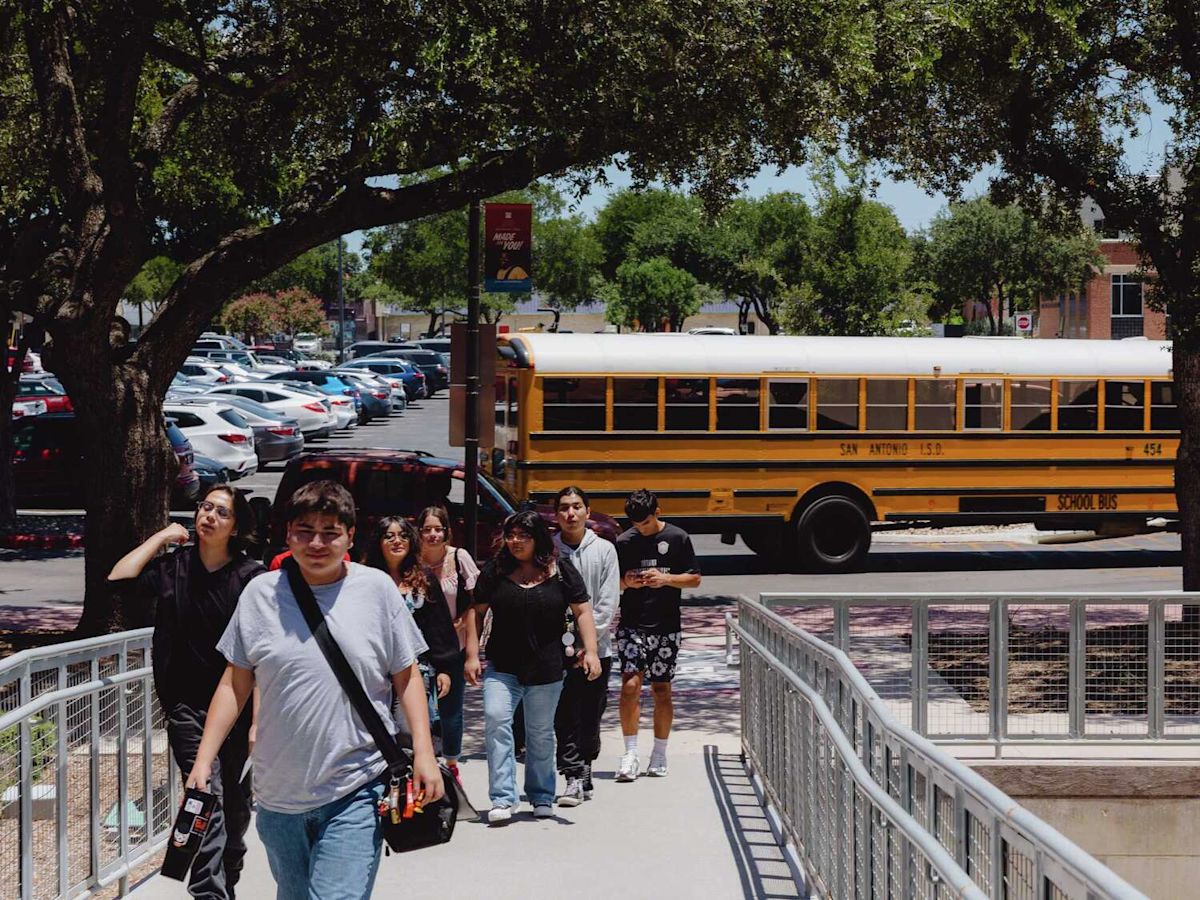
Across the San Antonio metropolitan area, school districts are confronting starkly different realities as they work to transport tens of thousands of children to and from school each day. While some educational systems have managed to rebuild their driver rosters to levels unseen since before the COVID-19 pandemic, others continue to struggle with persistent vacancies, forced route consolidations, and escalating financial hurdles.
The staffing disparity is particularly evident among the region’s largest public school systems. While North East Independent School District reports its most complete transportation staffing roster in several years, neighboring systems—including Northside, San Antonio, and Judson independent school districts—are still actively grappling with labor shortages that complicate morning and afternoon transit schedules.
At Northside ISD, the area's largest district, the transportation department is working to manage substantial personnel gaps. According to Transportation Director Tesilia Soliz, the district currently needs 35 standard bus drivers and 40 bus assistants to reach full staffing levels. In addition, Northside is seeking to recruit 15 minibus drivers, a role that handles smaller vehicles and does not require applicants to hold a commercial driver's license.
These personnel challenges at Northside have been compounded by severe fiscal constraints. Confronting an overall operating budget shortfall of $38 million, the district instituted a salary freeze for transportation staff, withholding the customary 2% to 3% annual wage increases that employees typically receive. The compensation freeze has intensified pre-existing difficulties surrounding driver recruitment and long-term employee retention.
To ensure all eligible children are transported to campus despite the missing personnel, Northside ISD administrators have had to combine multiple bus routes. In several instances, transportation officials merged two distinct neighborhood routes of roughly 30 students each onto a single vehicle. This practice fills buses that hold between 50 and 70 passengers to their maximum seating thresholds.
The resulting consolidations have effectively doubled the distance of certain runs and noticeably prolonged the amount of time students spend riding the bus each morning and afternoon. Soliz acknowledged that prolonged commutes are far from ideal for families, emphasizing that the department is maximizing its limited resources to maintain daily service across the community.
District officials are looking toward an upcoming ballot measure as a potential avenue to alleviate these ongoing staffing pressures. Should local voters approve a proposed tax increase scheduled for November 3, Northside administrators hope to allocate new revenue toward reinstating salary bumps for transportation employees to stay competitive in the local labor market.
Similar vacancies are affecting San Antonio ISD, where transportation officials are seeking to hire 16 bus drivers. The district operates approximately 125 transit routes, meaning the current shortfall leaves a meaningful portion of its regular routes reliant on substitutes or adjusted schedules.
In Judson ISD, transportation administrators report a need for 10 additional drivers to achieve a complete roster. A fully staffed department accounts for both daily assigned routes and a pool of designated substitute drivers who can step in when primary operators are absent due to illness, personal leave, or training.
Judson’s transportation network includes 84 designated routes, with standard driver assignments structured into three distinct daily runs serving neighborhood elementary, middle, and high schools. To prevent service interruptions when staffing runs low, central office transportation supervisors have regularly stepped in to drive routes, while existing drivers frequently volunteer to absorb additional runs.
The operational strain was highlighted during an August 27 special board meeting, where Judson ISD Trustee Stephanie Jones raised questions about department staffing following concerns voiced by local community members. Jones noted public apprehension that the district was severely understaffed and unable to adequately service its student ridership.
Addressing the board, Judson Director of Transportation Earl Stewart explained that while the district was five drivers short for its daily routes at the time, acute strains primarily emerge when regular drivers call out of work. Stewart noted that with student registration settling after the start of the academic year, staff focus has shifted toward balancing passenger loads, preventing overcrowding, and keeping transit schedules punctual.
Compounding these local challenges are structural funding limitations at the state level. Texas provides school districts with roughly $1 per mile for student transit, but the reimbursement applies solely to students who reside more than two miles away from their assigned campuses. School systems must stretch these limited state funds to cover escalating fuel prices, ongoing vehicle repairs, and competitive compensation packages.
Broader labor market competition also undermines driver recruitment efforts across Texas. While San Antonio’s major school districts pay prospective drivers during their commercial driver's license training, public education wages struggle to match private industry pay. Federal Bureau of Labor Statistics figures show heavy tractor-trailer truck drivers earn an annual average of $58,640, compared to $49,390 for school bus drivers.
In contrast to the widespread recruitment troubles, North East ISD has experienced a notable turnaround. Bill Harrison, the district's executive director of transportation, indicated that NEISD’s driver roster is now in its healthiest condition since the onset of the pandemic in 2020, which widely disrupted school bus operations nationwide.
Operating more than 200 routes across its attendance zones, North East ISD reported needing only 12 additional drivers to reach complete staffing capacity. As districts throughout the region adapt to evolving budget parameters and regional wage competition, transportation departments continue to test new staffing models to keep yellow buses moving on schedule.









(0)