
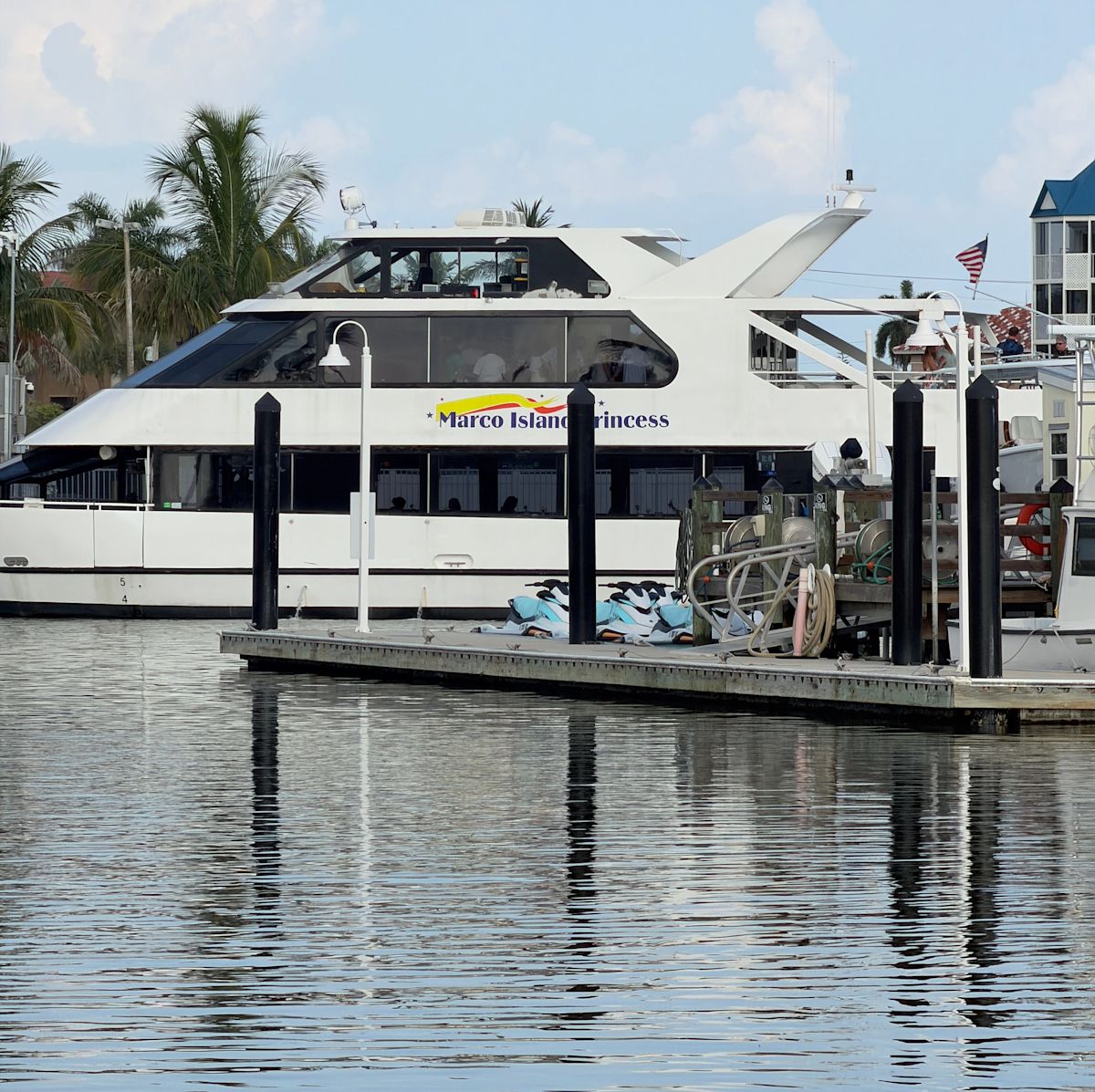
Following a contentious hearing that stretched into the early morning hours, the Marco Island City Council granted key approvals for the expansion of Rose Marina. The final determinations were reached at 12:55 a.m. on Sept. 10, concluding an exhaustive seven-and-a-half-hour public meeting where residents fiercely debated the balance between island preservation and commercial property rights.
The City Council voted 4-2 to approve three distinct measures: a conditional use permit for boat storage, a variance for dock reconfiguration, and a variance addressing landscaping and garbage requirements. These approvals clear the final regulatory hurdles for the waterfront commercial facility to move forward with a comprehensive site development plan that had previously secured a 5-2 endorsement from the city's planning board in July.
Located at 951 Bald Eagle Drive, the family-owned marina has been an operational fixture on Marco Island since 1969. The newly sanctioned project authorizes the construction of a 200-seat waterfront restaurant designed to overlook and overhang Factory Bay. The venture also requires expanded parking facilities to accommodate restaurant patrons alongside existing commercial slips, charter fishing operations, boat rentals, and passenger vessel clients. Under the property's C-5 zoning designation, the restaurant is classified as a permitted use.
The final decision marks the culmination of a rigorous two-year municipal review process that encompassed nine hours of planning board deliberations alongside the marathon council session. The extended timeline reflects the deep divisions the expansion proposal created among island residents, who voiced sharply contrasting viewpoints during public comment periods.
Throughout the late-night proceedings, public testimony fluctuated between strong defenses of the long-standing family enterprise and sharp criticism from residents worried about the trajectory of island development. Skeptics raised concerns about procedural integrity, potential corporate greed, and escalating congestion, while project advocates highlighted the marina's multi-decade local history and its property rights under city code.
The most intense public scrutiny centered on commercial passenger vessels and tourist ships, which have become larger and more frequent callers at the marina. While the formal council agenda was strictly confined to specific variances and site plan components rather than maritime commerce regulation, the prospect of increased cruise operations dominated public testimony and council questioning.
Several residents expressed strong reservations about the potential transformation of the island's coastal character. Resident Mario Curiale told council members that while he had no objection to the restaurant itself, he feared the arrival of larger tourist vessels would lead to unwanted commercialization and traffic, likening the potential atmosphere to the trolley-filled streets of Key West and urging officials to preserve the island's ambiance.
Addressing the community's maritime concerns, discussions examined the operational profile of vessels visiting the marina, such as those operated by American Cruise Line. The company's coastal ships, ranging from 243 to 248 feet in length with capacities of up to 130 passengers, include vessels like the American Maverick, American Pioneer, and American Ranger, which feature Marco Island on their Key West itineraries. A fourth vessel, the American Patriot, shares the 130-passenger capacity but is not listed for upcoming trips on that specific route.
Because these cruise itineraries do not originate on Marco Island, the vessels do not generate long-term parking demand for individual passenger vehicles. Instead, passenger transit to and from the docks is managed via scheduled tour buses that pick up and drop off travelers at designated times.
The scale of these coastal cruisers was also contrasted with traditional ocean liners during the proceedings. Proponents noted that the ships calling at Rose Marina are vastly smaller than massive mega-cruise liners operated by companies such as Disney, whose vessels can measure 1,082 feet, or Carnival, whose ships span between 855 and 1,130 feet.
Zach Lombardo, a land-use attorney representing Rose Marina, addressed the historical precedent of passenger vessels at the site. He explained to the council that increased passenger ship visits had been formally contemplated as far back as 2003, when the marina secured approval for a boat-dock extension during another highly contentious municipal proceeding.
During a line of questioning by Council Chairman Darrin Palumbo regarding maximum vessel lengths, Lombardo highlighted the strict physical constraints of the marina's infrastructure. He pointed out that individual docks impose natural size limits, noting that A Dock measures no more than 362 feet, meaning any visiting boat must remain under that dimension to safely berth.
Lombardo further dismissed resident fears that the facility could see chaotic crowds of 1,200 passengers disembarking simultaneously. He noted that although regulations technically permit up to four boats of 100 feet or more carrying over 100 passengers—two situated in Factory Bay and two along the Magnolia waterway—such an influx is physically and logistically impossible under current infrastructure and parking constraints. Under the approved site development plan, tour bus traffic is strictly capped at three vehicles at a time, limiting passenger movements to 150 people.
To provide additional regulatory safeguards for nearby neighborhoods, the planning board attached a binding condition to the development order. Under this rule, commercial debarkation vessels are explicitly prohibited from remaining moored overnight at Rose Marina, with exceptions granted only during severe weather emergencies.
The impending construction has already prompted operational adjustments for existing maritime tenants. The Key West Express announced in August that it will suspend its ferry service to Rose Marina during the upcoming winter season to accommodate the planned dock and parking reconfigurations, while expressing intent to resume its regular schedule once the upgrades are completed.
With the council's 4-2 vote granting the required variances and conditional use permit, Rose Marina is now authorized to proceed with the execution of its comprehensive site redevelopment plan, concluding a major chapter in Marco Island's recent zoning debates.






(0)