
Óscar García navigated his pickup truck toward an armed checkpoint on the outskirts of his hometown, slowing down as masked guards brandishing semi-automatic rifles stepped into view. After exchanging familiar greetings and nicknames with the community sentries, the 18-year-old was waved through the barricade. Beside him sat his 74-year-old grandfather, Francisco, who looked out at the fortified perimeter with a mixture of sorrow and resignation.
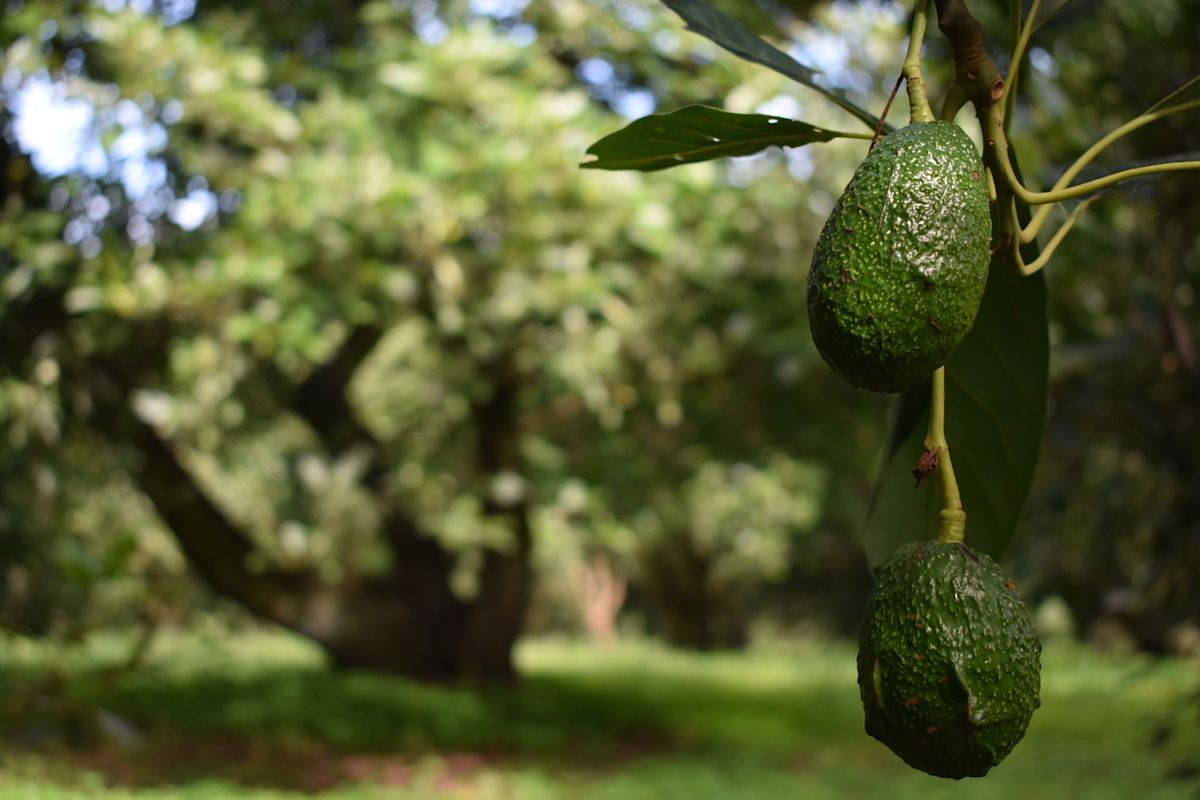
For generations, this corner of western Mexico had been impoverished but calm. That delicate balance shattered with the international craze for avocados. While the lucrative fruit transformed local fortunes and turned the state of Michoacán into the heart of the global market, it also ushered in an era of violent extortion and lawlessness that now threatens the very fabric of rural life.
As they drove further along a rutted dirt track flanked by endless rows of orchards, Óscar came to a halt. It was here, along an isolated stretch of road leading to their groves, that authorities discovered his father’s abandoned truck. The disappearance of Pancho, a well-regarded local grower and father of three, remains an agonizing reminder of the unchecked violence that plagues the region.
The town of San Ángel Zurumucapio, an indigenous community of roughly 6,000 residents with deep P'urhépecha roots, was once defined by its communal solidarity and periodic rodeos. Most families in the hamlet are distantly related, having shared decades of hardship before commercial agriculture fundamentally reshaped their livelihoods and landscape.
Decades earlier, the territory was blanketed by virgin pine forests. In his youth, Francisco traversed the mountain terrain on horseback, scraping together a meager living by tapping resin from the tall pines. At that time, escaping severe economic hardship was nearly impossible without leaving the country, prompting Francisco to travel to Texas to earn enough money to house his 12 children.
Following in his father's footsteps, Francisco’s eldest son, Pancho, later migrated north to work on Christmas tree plantations in North Carolina for six years. Upon returning home with savings to start a family with his wife, Terésa Pérez, Pancho immediately cleared a plot of land to cultivate avocado trees, joining a wave of farmers betting on the emerging crop.
The economic landscape shifted dramatically following the implementation of the North American Free Trade Agreement, which led to the termination of a longstanding United States import ban on Mexican avocados in 1997. The subsequent explosion in cross-border demand turned Michoacán into an agricultural powerhouse, elevating thousands of formerly impoverished rural workers into a prosperous middle class.
For Pancho and Terésa, the agricultural boom provided opportunities previously out of reach. The couple built a spacious home, acquired modern vehicles, and afforded family beach vacations. Their earnings enabled them to buy quality clothes and finance strong educations for their three children, Ana, Óscar, and José, mirroring the upward mobility experienced by neighboring families across the hamlet.
However, the rapid agricultural expansion took a severe toll on the environment. The widespread conversion of dense native forests into hundreds of thousands of acres of commercial orchards altered the local climate, triggering elevated regional temperatures and diminishing annual rainfall across the mountainous area.
The vast fortunes generated by the crop also attracted organized crime syndicates. By the mid-2000s, criminal networks that had long dominated the trafficking of methamphetamine, heroin, and cocaine realized the immense profit potential of the avocado trade. Armed gangs quickly diversified their operations, seizing cultivated lands, deforesting new plots, and demanding steep protection fees from local growers under threat of execution.
In San Ángel Zurumucapio, criminal operatives operated with brazen impunity, parading through residential streets in high-end trucks while playing loud music and smoking marijuana. The encroaching violence transformed everyday routines into harrowing ordeals for the townspeople, who found themselves caught in crossfire and subject to systematic extortion.
Growing up amid this turmoil, Óscar learned early how to navigate the dangers. As a child, he was forced to take cover during shootouts near his school and alongside a community shrine dedicated to the Virgin Mary that his grandfather had helped construct. It was not uncommon for the fathers of his school peers to vanish, held hostage by criminal factions demanding exorbitant ransoms.
Despite the growing peril, Pancho maintained a steadfast routine, refusing to carry firearms or fortify his habits even as relatives and neighbors took up arms for self-defense. He focused entirely on his orchards, teaching young Óscar the delicate techniques of fertilizing trees and identifying crop diseases, maintaining that he had no enemies and saw no reason to live behind a weapon.
Pushed to the brink by relentless kidnappings, extortions, and murders, residents across San Ángel Zurumucapio eventually rebelled against the lawlessness. Drawing on their indigenous heritage, the community instituted a model of self-governance, barricaded access routes, and established an armed civilian militia to safeguard growers, families, and shipments against cartel incursions.
Yet, despite the barricades and community patrols, the trauma of organized crime continues to cast a long shadow over the town. With Pancho gone—believed to be the casualty of a botched kidnapping—the responsibility of running the family groves now falls entirely upon 18-year-old Óscar, who must manage the demands of the harvest while navigating the ever-present dangers of Michoacán's avocado trade.









(0)