
Gardeners seeking to introduce a soft, storybook ambiance to their outdoor landscapes frequently turn to bell-shaped and tubular blossoms. These distinctive drooping flowers bring architectural variation and visual interest to conventional borders, open beds, shaded woodland plots, and patio containers. By combining different growth habits, color palettes, and blooming windows, horticulturists can design an outdoor setting that delivers visual appeal from late winter through the warmth of summer.
A major advantage of bell-form varieties lies in their ecological and structural versatility. Whether utilized as low-growing foliage mounds along walkways, climbing vertical elements against trellises, or towering accents in shadowy corners, these plants provide solutions for a wide range of microclimates and soil conditions. Garden planning often starts with native woodland selections before incorporating structured shrubs, hardy perennials, and classic flowering bulbs.
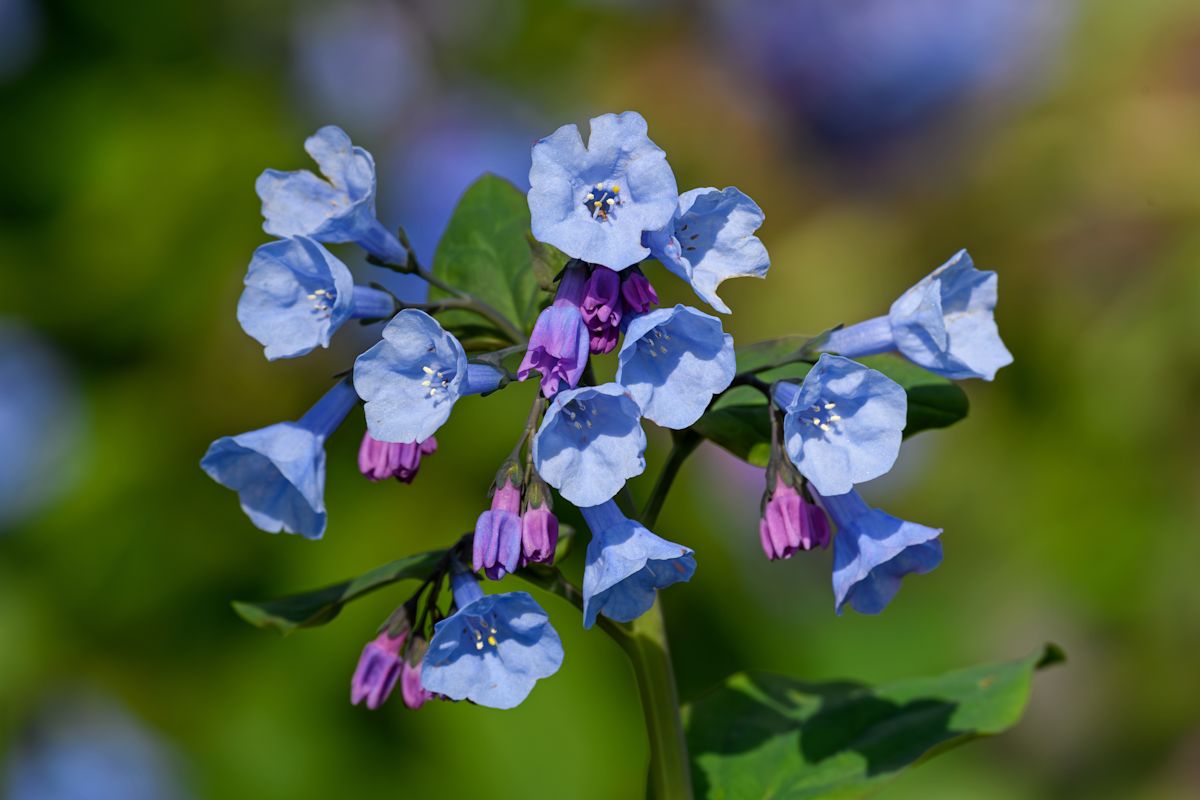
Among the most celebrated native options is the Virginia bluebell, an eastern North American wildflower known for producing rounded, gray-green leaves and flower stems reaching up to 24 inches in height. These tubular flowers undergo a notable color transformation, shifting from subtle pink buds into clear blue petals before dying back into dormancy by summer. When established in favorable environments, Virginia bluebells naturalize readily to create expansive spring drifts.
Gardeners managing low-light spaces can also integrate bellwort, another spring-blooming native wildflower tailored for shaded areas. Adapted to United States Department of Agriculture (USDA) hardiness zones 4 through 9, bellwort features distinctive nodding, bell-shaped blooms with elongated yellow petals. Its subtle coloration and drooping posture provide a delicate balance beneath woodland canopies where direct sunlight is limited.
For dramatic visual patterning, fritillaries offer bell-shaped flowers recognized for their checkered markings and unique geometry. These specialty bulbs flourish in cool, well-drained soil under partial shade, making them valuable assets for shaded borders. In addition to their aesthetic merit, fritillaries are known to naturally deter rodents and squirrels. While varieties such as Fritillaria imperialis are frequently managed as annuals, they are capable of returning as perennials when provided with optimal growing conditions.
Vertical structure is another crucial element in shaded landscape design, and foxgloves provide significant height. Producing tall flower spikes lined with hanging bells, foxgloves thrive across USDA zones 4 through 10. Their blossoms emerge from late spring into early summer, creating strong focal points in beds that receive filtered sunlight.
For low-growing ground coverage, Coral Bells (Heuchera spp.) serve as a reliable perennial foundation. This hardy genus forms dense mounds of attractive, multi-hued foliage beneath slender, rising stems of miniature bell-shaped flowers. In addition to showing high resistance to common plant diseases, coral bells draw beneficial pollinating insects while thriving in shaded woodland beds.
Bridging the gap between the coldest months and early spring, snowdrops are among the first plants to announce the changing season. These resilient perennials emerge in late winter, producing delicate white drooping blooms even in partial shade. Snowdrops perform well in uncompacted, well-drained clay soils, offering early color when most other garden plants remain dormant.
In sunny and challenging environments, Beardtongue (Penstemon) provides a durable alternative. This perennial thrives in full sunlight and tolerates poor, rocky soils, provided drainage is adequate. Reaching heights of up to 4 feet, beardtongue features long-lasting blooms with a unique pollen-free stamen. Suitable for USDA zones 3 through 9, it maintains vigorous growth with a consistent weekly watering schedule during the heat of summer.
Shrub borders can also incorporate bell forms through the addition of weigela, a vigorous woody plant capable of reaching 6 feet in height. Weigela thrives in full sun and handles heavy clay soils with ease. Throughout its flowering cycle, the shrub produces abundant pink to red blossoms that serve as an attractive nectar source for garden pollinators.
Bulb selections offer further versatility, represented by both hyacinths and daffodils. Fragrant hyacinths, available in white, pink, and blue, can be forced indoors for winter interest or planted directly in well-drained garden soil for spring fragrance. Meanwhile, daffodils (Narcissus), hardy in zones 3 through 8, showcase classic trumpet-shaped cups surrounded by petals. Daffodils naturalize readily, multiplying across open lawns and borders in full to partial sun with minimal maintenance required.
To supply continuous nectar for pollinating species in sunny borders, traditional bellflowers present an array of blue, purple, and white blossoms. These plants pair effectively with Golden Columbine (Aquilegia chrysantha), a perennial distinguished by its contrasting dark clover-like foliage and eye-catching, five-spurred yellow blooms. Columbine establishes easily on garden slopes, open clearings, and rocky ledges while offering natural resistance to foraging deer.
Deer resistance is likewise a key feature of lungwort (Pulmonaria), an early-spring perennial designed for shady landscapes. The plant features textured, bristly foliage that browsing wildlife avoids, making it a functional and protective addition to woodland plantings prone to deer browsing.
For gardeners seeking fast-growing vertical coverage, morning glory vines present large, trumpet-shaped blue flowers. Operating as annuals in cooler zones and perennials in milder regions, these vigorous climbers open their blooms at dawn and close them by the afternoon. When supplied with full sunlight, well-drained earth, and steady moisture, they create an energetic, daily floral display across fences and garden trellises.
Integrating these fourteen distinct bell- and trumpet-flowering varieties allows home gardeners to maintain biological diversity and seasonal progression. By pairing early-season bulbs with late-blooming perennials and durable flowering shrubs across varied soil profiles, outdoor spaces can achieve continuous color, textural depth, and sustained wildlife interest throughout the entire year.







(0)