
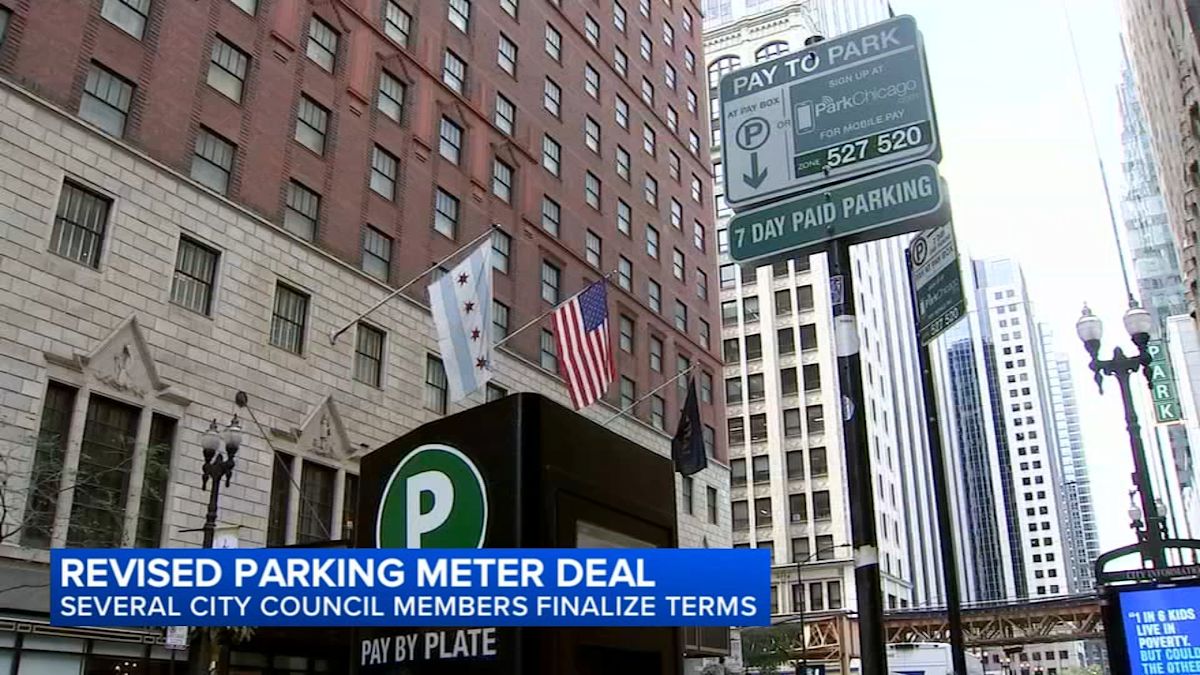
Chicago City Council members have negotiated a proposed agreement to transfer the city’s long-disputed parking meter concession to investment firm Stonepeak Partners. The emerging plan would secure tens of millions of dollars in upfront revenue for city coffers and establish an ongoing profit-sharing structure, while addressing controversial ethical and political concerns that previously stalled negotiations.
Under the framework worked out by key alderpersons and the municipal law department, the New York-based investment firm would pay Chicago an immediate $75 million transfer fee upon closing the transaction. Furthermore, the revised terms grant the city an ongoing 5% cut of annual net operating income generated by the meter network throughout the remainder of the concession agreement.
Financial projections indicate that this 5% revenue-sharing mechanism could inject more than $376 million into municipal accounts over the remaining lifespan of the long-term lease. City officials have established that every dollar collected from both the initial transfer fee and the recurring annual profit distribution will be allocated exclusively toward funding Chicago’s municipal pension obligations.
The proposed transaction represents a notable shift from the contentious 2008 agreement that leased the city's vast parking meter infrastructure to Chicago Parking Meters LLC for a 75-year duration. That original deal has remained a continuous source of frustration for taxpayers and elected leaders alike, as meter rates have surged and control over curb space was largely surrendered.
Criticism of the original privatization remains sharp across the City Council. Ald. Walter "Red" Burnett of the 27th Ward characterized the 2008 transaction as the most toxic deal in the history of Chicago, emphasizing the lingering resentment among officials and residents who watched public assets transferred under onerous terms.
Negotiations for the newly proposed transfer unfolded over a period of several months, spearheaded directly by influential City Council members collaborating with the city’s legal counsel. Council members deliberately led the process without the direct involvement of Mayor Brandon Johnson, whose prior administration-led initiative to buy back the parking meters fell short and sparked concerns regarding transparency.
Supporters of the council-negotiated terms argue that the settlement marks an important step toward reclaiming value from an otherwise inflexible contract. Ald. Scott Waguespack of the 32nd Ward defended the agreement as a strong outcome, noting that while the new arrangement cannot erase the municipal losses of the past two decades, it establishes a far better footing for the city over the coming decades.
Elected officials emphasize that the clock is running out to ratify the agreement, highlighting severe financial consequences if the City Council fails to act before the end of the month. Finance Committee Chair Ald. Pat Dowell of the 3rd Ward warned that rejecting the negotiated package could leave the city vulnerable to costly legal repercussions.
According to Dowell, failure to pass the measure could instantly thrust Chicago into contentious arbitration proceedings or direct litigation. She cautioned that defending against such legal actions or navigating arbitration could potentially expose the city to billions of dollars in financial liability.
Beyond municipal finances, the agreement addresses intense political backlash regarding Stonepeak’s corporate portfolio. Prior negotiations had stalled after alderpersons raised fierce objections to the firm’s ownership of Omni Air International, a charter airline used under the Trump administration to carry out federal deportations for U.S. Immigration and Customs Enforcement.
To resolve that impasse, Stonepeak agreed to divest and sell Omni Air International. Ald. Mike Rodriguez of the 22nd Ward observed that the divestment is a step in the right direction, though he noted he plans to consult with his constituents before deciding how to cast his vote, acknowledging that the deal is in a markedly better position than before.
Mayor Johnson has stopped short of offering an explicit endorsement of the final arrangement. While withholding formal support, Johnson publicly expressed gratitude and hope regarding the council's work, stating he is optimistic that the package will deliver a better deal for local taxpayers and that the City Council will find a path forward for the city.
In response to the mayor's cautious comments, Dowell pointed out that the responsibility for handling the negotiations had been placed squarely on the council after Johnson presented the initial opportunity. Dowell stated that council members stepped up to perform the necessary work and called on the mayor to actively help assemble the votes needed for final approval.
For residents across the city, the legacy of the meter privatization remains an everyday economic reality, with hourly parking rates in the downtown Loop having more than doubled since the 2008 agreement was finalized. Reaction to the proposed renegotiation is mixed among local drivers. Downtown resident Sachin Bhalerao voiced support for recovering funds, stating that pursuing any recouped money is a reasonable strategy for the city.
Conversely, some residents remain skeptical that the profit-sharing plan will provide meaningful relief from high street parking costs. Northwest Side resident Nina Arceta remarked that the financial adjustments would not make a noticeable dent in the everyday burdens felt by drivers navigating the current meter system.
The full City Council is expected to take up the proposed parking meter agreement for a decisive vote in the coming week. Legislative action had been previously delayed when alderpersons pushed back against the initial process, but council leaders now insist the impending end-of-the-month deadline makes swift approval essential to prevent costly arbitration battles.





(0)