
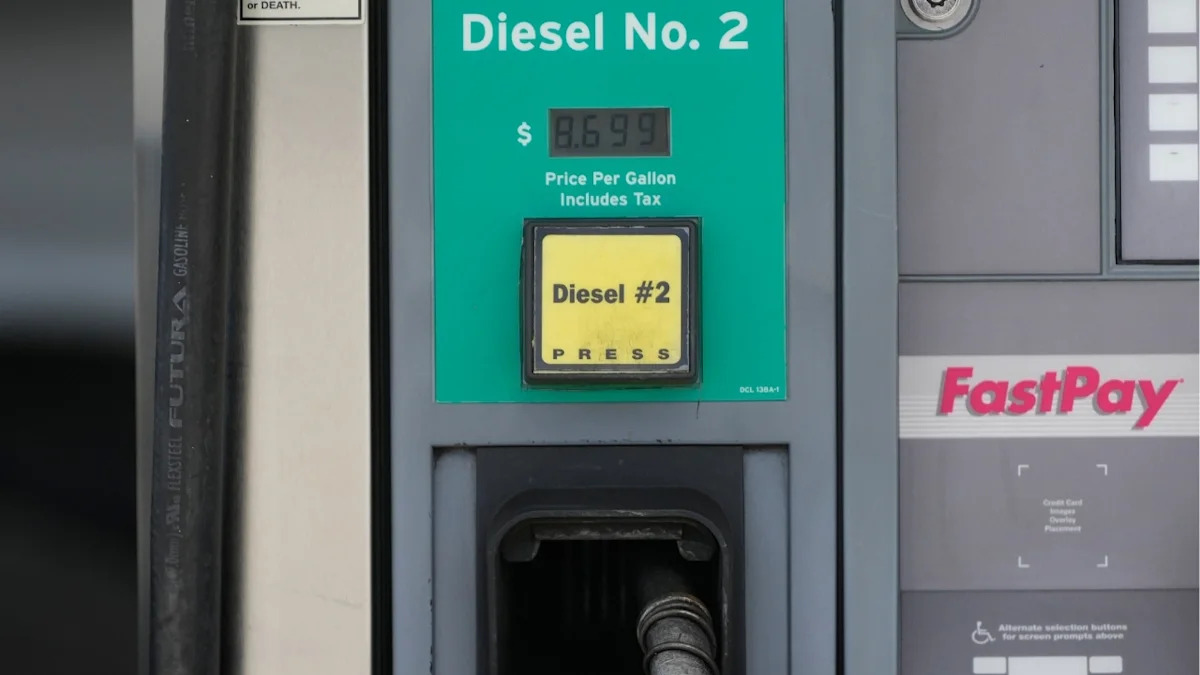
California drivers and commercial freight operators are confronting unprecedented price spikes at the pump as diesel fuel costs across the state reach all-time record highs. The dramatic increase in fuel expenses has intensified concerns across the logistics, agricultural, and retail sectors, all of which rely heavily on steady and affordable fuel supplies to keep regional supply chains running smoothly.
In the San Francisco Bay Area, the price surge has manifested in extreme retail figures, with select service stations posting diesel prices approaching nine dollars per gallon. These extraordinary numbers represent some of the steepest fuel costs ever recorded in the United States, creating immediate financial shockwaves for local logistics providers, delivery companies, and daily commuters who operate diesel-powered vehicles.
The escalation in California diesel costs outpaces price movements in many other regions of the country, highlighting persistent structural and market vulnerabilities unique to the West Coast fuel distribution grid. While fuel prices have experienced periodic turbulence over the years, the current surge to near nine dollars per gallon in major metropolitan centers marks an exceptional disruption in energy market affordability.
Diesel fuel serves as the foundational energy source for the movement of essential goods, powering heavy-duty freight trucks, cargo vessels, rail networks, and construction machinery. Because commercial transportation is deeply embedded in every stage of product distribution, dramatic spikes in diesel expenses create an immediate compounding effect on the overall cost of moving merchandise throughout the state.
Industry analysts emphasize that soaring transportation energy expenses rarely remain confined to logistics providers alone. When commercial transport operators face severe overhead increases due to historic diesel costs, those additional expenditures are typically passed along through freight surcharges, directly driving up the retail prices of groceries, building supplies, consumer electronics, and everyday household items.
California's distinct regulatory environment plays a substantial role in maintaining retail fuel prices that remain notably higher than the national baseline. The state enforces stringent environmental standards and mandates specialized low-emission fuel formulations, known as California Air Resources Board compliant blends, which limit the availability of out-of-state supplies during periods of market stress.
In addition to stringent environmental specifications, state-level excise taxes and regional carbon reduction fees add substantial costs to every gallon of fuel dispensed at retail pumps. These built-in statutory fees create a higher pricing floor in California, ensuring that any broader disruption in crude oil or refining capacity results in magnified price increases for local consumers.
West Coast refining infrastructure also faces chronic constraints that leave regional inventories particularly susceptible to sudden supply shortages. Geographically isolated from the extensive pipeline networks of the Gulf Coast, California relies predominantly on in-state refineries and foreign imports, meaning that any unscheduled facility maintenance or supply shipment delay can trigger swift retail price surges.
The dramatic run-up to near nine dollars per gallon in the Bay Area has placed independent truck drivers and small trucking enterprises under extraordinary financial duress. Many owner-operators operate on narrow profit margins, and the sudden requirement to allocate thousands of additional dollars toward weekly fuel expenses threatens the ongoing solvency of small-scale freight businesses.
California's agricultural powerhouse in the Central Valley and surrounding farming regions is similarly vulnerable to rising diesel costs. Agricultural producers rely heavily on diesel to operate planting and harvesting machinery, run irrigation systems, and transport fresh produce from fields to regional packing and shipping hubs before reaching grocery shelves.
Public sector agencies and local municipalities are also feeling the budgetary strain caused by record diesel pricing. Public transit districts, municipal utility departments, and emergency response fleets that utilize diesel vehicles are being forced to navigate unexpected budget deficits as fuel line items significantly exceed initial annual allocations.
The persistent escalation in fuel prices introduces broader macroeconomic challenges, as sustained transportation costs complicate ongoing efforts to tame general consumer price inflation. High energy inputs across the supply chain can prolong inflationary pressures, impacting consumer spending habits and dampening overall economic growth across key regional markets.
Financial observers and energy market participants continue to monitor refinery production levels, fuel inventory reports, and global crude benchmarks for signs of stabilization. Until regional refining capacity expands or wholesale supply imbalances are resolved, businesses and consumers throughout California and the Bay Area remain braced for high operating costs at the fuel pump.




(0)