
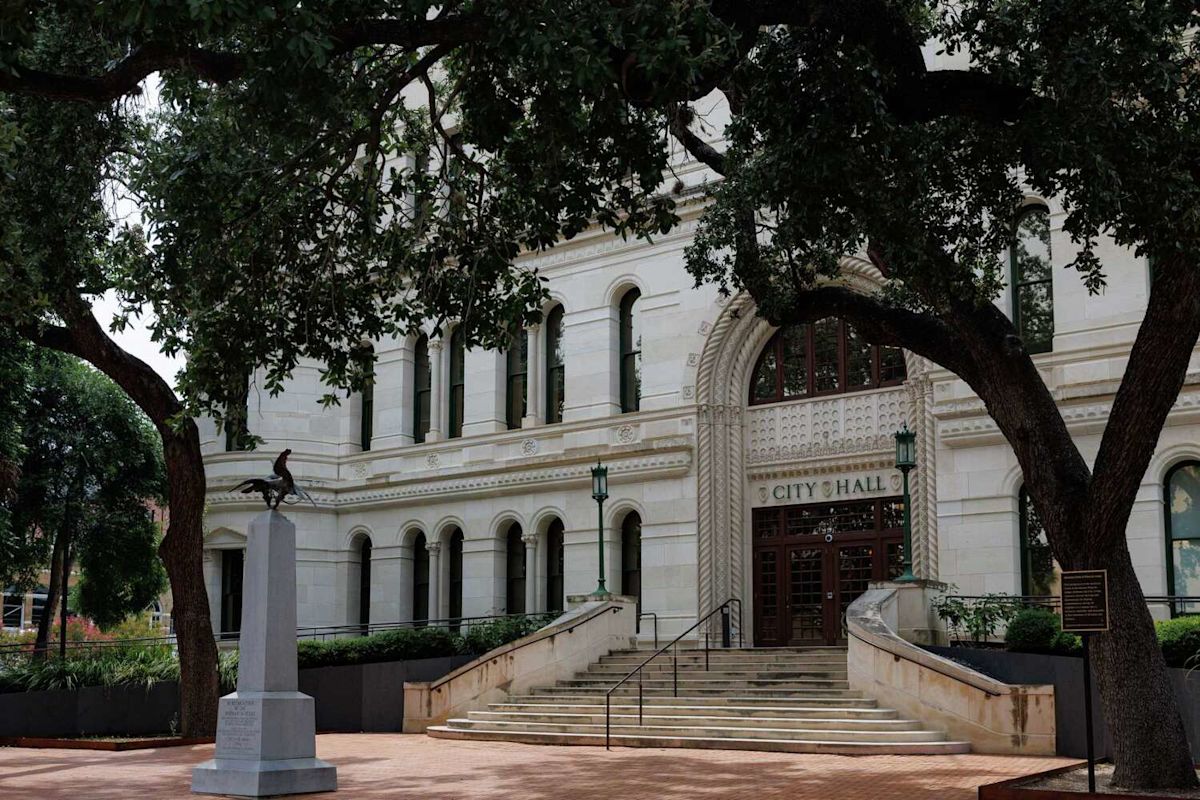
Tensions inside San Antonio City Hall have escalated to unprecedented levels as elected officials prepare for a climactic Thursday vote on the municipal government’s proposed $4.4 billion budget. Facing one of their most challenging financial decisions in decades, council members and Mayor Gina Ortiz Jones remain sharply divided over whether to authorize the city’s first property tax rate increase in thirty years or implement severe service cutbacks to reconcile a looming $158 million shortfall projected over the next two years.
The budgetary standoff follows weeks of intense friction that recently spilled into public view, with multiple council members utilizing social media to highlight what they described as a breakdown in city leadership. The escalating friction comes on the heels of an acrimonious debate regarding land acquisition funding for a planned San Antonio Spurs arena and various other municipal developments, further straining relationships between the mayor’s office and council colleagues ahead of critical fiscal deadlines.
At the center of the debate is a fiscal plan drafted by City Manager Erik Walsh, which seeks to bridge the immediate budget gap through a dual approach of spending reductions and revenue generation. Walsh’s blueprint includes $41 million in direct operational cuts for the upcoming fiscal year, paired with a two-cent increase in the municipal property tax rate. Under the proposal, the rate would rise to slightly over 56 cents per $100 of assessed property valuation.
According to a municipal financial assessment, the proposed rate adjustment would cost the average San Antonio homeowner with a homestead exemption approximately $35 more per year in property taxes. Administration officials argue that this modest rise is critical to preserving key municipal functions while addressing broader structural deficits that threaten long-term stability.
To achieve the proposed $41 million in initial savings, the administration’s plan targets several administrative and community-facing operations. Among the planned measures are the elimination of 101 municipal positions, the complete dissolution of the former diversity, equity, and inclusion department, substantial reductions in grant allocations for local nonprofit organizations, and tighter restrictions on departmental overtime expenditures.
Despite these proposed trims, a vocal faction of council members has mounted firm resistance against any tax rate hike. Council members Marina Alderete Gavito, Misty Spears, and Marc Whyte have formally rejected the tax adjustment, demanding that the administration look for deeper internal cuts instead of asking residents to shoulder an additional financial burden. The opposing members noted that San Antonio households are already grappling with rising costs for basic necessities such as groceries and fuel, alongside pending rate hikes from the San Antonio Water System.
Under Texas state statute, enacting a tax rate increase of the magnitude requested by Walsh requires a 60 percent supermajority of the municipal council. Within San Antonio’s 11-member governing body, this legal threshold means that at least seven votes are necessary to adopt the tax adjustment, while a bloc of five votes would effectively kill the proposal. Consequently, the three dissenting council members need to persuade only two additional colleagues to defeat the measure.
However, momentum currently appears to favor the administration’s proposal. Councilman Whyte acknowledged earlier in the week that efforts to build a five-member coalition to block the tax hike had not yet succeeded. Conversely, Council members Sukh Kaur, Phyllis Viagran, and Edward Mungia have publicly declared their support for the rate increase, with the majority of the remaining council members also expected to vote in favor of the administration’s plan.
The stakes surrounding Thursday’s vote remain high, as city leaders face severe structural consequences if the tax adjustment is rejected. Walsh warned that maintaining the current property tax rate would necessitate an additional $75 million in budget cuts across the next two fiscal years, including an immediate $31.2 million reduction in the upcoming year's operational spending.
Such secondary reductions would significantly impact frontline city services, potentially resulting in another 138 eliminated municipal positions and forcing harsher operational pullbacks across San Antonio’s public library and community park networks. Walsh emphasized that if the broader budget is approved without the tax increase, the administration will be required to execute these supplemental cuts administratively without returning to the council for further votes.
The debate over where the financial pain should fall has exposed sharp geographic and socioeconomic divisions across the city. Council members representing the East, West, and South sides have voiced sharp criticism of the anti-tax contingent, arguing that rejecting the rate hike and cutting public services would disproportionately harm lower-income neighborhoods that depend heavily on city infrastructure, parks, and libraries.
In response, Alderete Gavito pushed back against the administration’s framing, asserting that the city manager deliberately structured the contingent cuts around high-profile public services rather than administrative overhead in an effort to pit council members against one another. She insisted that municipal leadership should prioritize internal restructuring before reducing resources that directly touch residents’ daily lives.
Efforts to broker a middle-ground solution have largely stalled in the lead-up to the final vote. Councilwoman Ivalis Meza Gonzalez floated an alternative framework that would institute a smaller property tax increase than the one sought by Walsh, which would still require finding approximately $13.4 million in spending reductions. However, her proposal failed to gain significant traction among colleagues and was omitted from the formal amendments submitted to the council.
Councilwoman Phyllis Viagran has emerged as one of the most vocal advocates for the tax increase, describing it as an essential investment in the city’s future infrastructure and expanding population. Viagran even indicated that she originally favored a larger rate increase to prevent vital community programs from facing the chopping block.
With the city charter strictly mandating the passage of a balanced budget by September 27 ahead of the October 1 fiscal year implementation, San Antonio’s leadership faces an unforgiving clock to resolve its internal fractures and set the city's financial course for the coming year.





(0)