
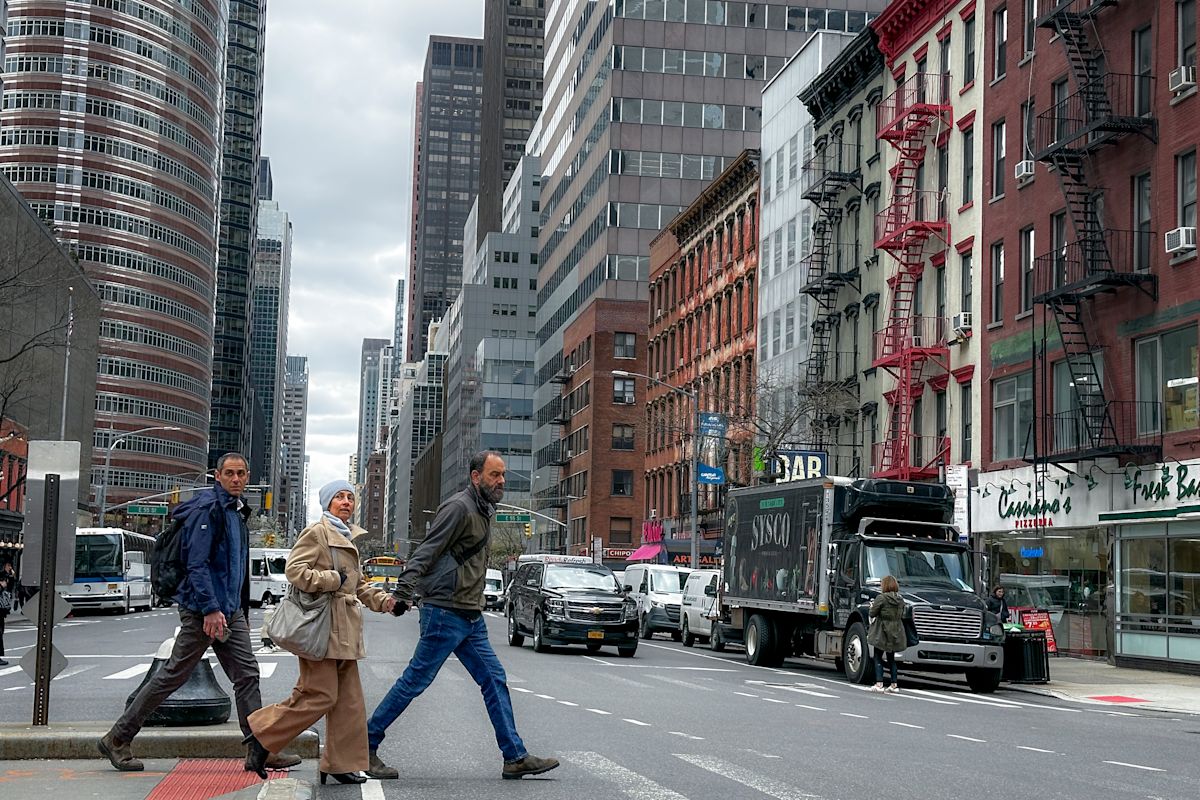
New York City is preparing for a comprehensive restructuring of its pedestrian and traffic safety policies under a newly proposed ten-year framework. Mayor Zohran Mamdani is set to present "Vision Zero Reimagined," an expansive blueprint containing 100 individual policy goals designed to dramatically curb traffic-related fatalities and establish safer corridors for all road users across the five boroughs.
The sweeping initiative arrives at a pivotal juncture for municipal transportation planning. Over recent years, New York City thoroughfares have seen a marked transformation, characterized by an increasingly dense and diverse mixture of conventional motor vehicles, traditional bicycles, electric bikes, and various emerging micromobility devices. The updated framework is specifically engineered to address this modern street environment by modernizing rules, enforcement, and physical roadway design.
A central element of the upcoming proposal targets driving speeds in sensitive community areas. Under the plan, the city intends to implement reduced 15-mile-per-hour speed limits surrounding hundreds of additional schools. Lowering driving speeds adjacent to school facilities is aimed at shielding younger students and families during peak morning arrival and afternoon dismissal hours, when foot traffic reaches its highest density.
Alongside reduced speed zones, the administration is prioritizing physical infrastructure modifications to safeguard high-risk locations. The blueprint sets an ambitious target of introducing new physical barriers and safety enhancements at 1,000 street intersections annually. By redesigning crossings and reinforcing protective buffers, the initiative seeks to prevent collisions at intersection points where turning vehicles and pedestrians most frequently interact.
The municipality is also turning its focus inward by mandating technological upgrades across its extensive public vehicle fleet. Thousands of city-owned automobiles and heavy utility vehicles are slated to be equipped with upgraded safety equipment. These enhancements will include audible alert systems designed to warn nearby pedestrians when trucks operate in dense neighborhoods, as well as sophisticated automatic braking systems engineered to halt vehicles if an impending obstacle is detected.
To curb habitual dangerous driving, the blueprint outlines strict technological consequences for motorists who repeatedly disregard traffic regulations. The proposal calls for the installation of specialized speed-capping devices on vehicles operated by drivers who accumulate multiple speeding infractions within designated school zones. This mechanical limitation would physically restrict offending vehicles from exceeding safe travel thresholds.
The plan also seeks to address the growing size and weight of contemporary automobiles navigating crowded urban corridors. Under the proposed measures, owners of oversized passenger vehicles would face higher toll rates. Transportation planners aim to use this fee structure to account for the heightened risks and roadway wear associated with heavier personal trucks and large sport utility vehicles traveling through city infrastructure.
In tandem with vehicle restrictions, city agencies are preparing to escalate their enforcement operations against illegal driving practices. A primary focus will be the systematic identification and removal of vehicles utilizing counterfeit or obscured license markers, commonly known as "ghost plates." By cracking down on untraceable vehicles and penalizing reckless operators, the administration hopes to eliminate loopholes that currently allow dangerous drivers to evade automated enforcement cameras.
The blueprint further envisions an expansion of public spaces dedicated exclusively to foot traffic. By widening existing pedestrian corridors and establishing new car-free zones, the city plans to convert heavily congested commercial and residential roadways into protected promenades. These dedicated walking areas are designed to provide relief from vehicular congestion while fostering vibrant, accessible neighborhood centers.
Recognizing that street safety intersects directly with economic accessibility, the framework incorporates measures to broaden transportation affordability. The administration is proposing targeted municipal funding aimed at assisting low-income New Yorkers with daily commuting costs. This financial support would be directed toward subsidizing public transit fares and lowering the expense of utilizing the city's Citi Bike bike-sharing network.
Executing the broad array of policies outlined in the ten-year agenda will require navigation across multiple layers of government. While a substantial portion of the 100 initiatives can be enacted directly through administrative rulemaking and the executive authority of municipal agencies, other major components will necessitate formal legislative authorization from state lawmakers in Albany before they can take effect.
The newly proposed agenda serves as the successor to New York City's foundational Vision Zero strategy, which was originally inaugurated in 2014. That pioneering program fundamentally reshaped local transportation policy by treating traffic deaths as preventable incidents rather than unavoidable accidents. In the years following its launch, the original framework contributed to pushing municipal traffic fatalities toward historic lows through a structured blend of civil engineering, targeted enforcement, and public education.
However, the rapid diversification of urban transit over the past decade has necessitated an updated strategic doctrine. City officials recognize that the safety measures developed in 2014 must now be adapted to meet the demands of an ecosystem shared by heavier cars, delivery logistics, and fast-moving battery-powered mobility devices.
By mapping out 100 coordinated milestones through the next decade, "Vision Zero Reimagined" attempts to establish a comprehensive roadmap for urban mobility. The Mamdani administration hopes the ten-year plan will successfully modernize the city's regulatory framework, enhance equity for daily commuters, and deliver a lasting reduction in traffic violence across all five boroughs.





(0)