
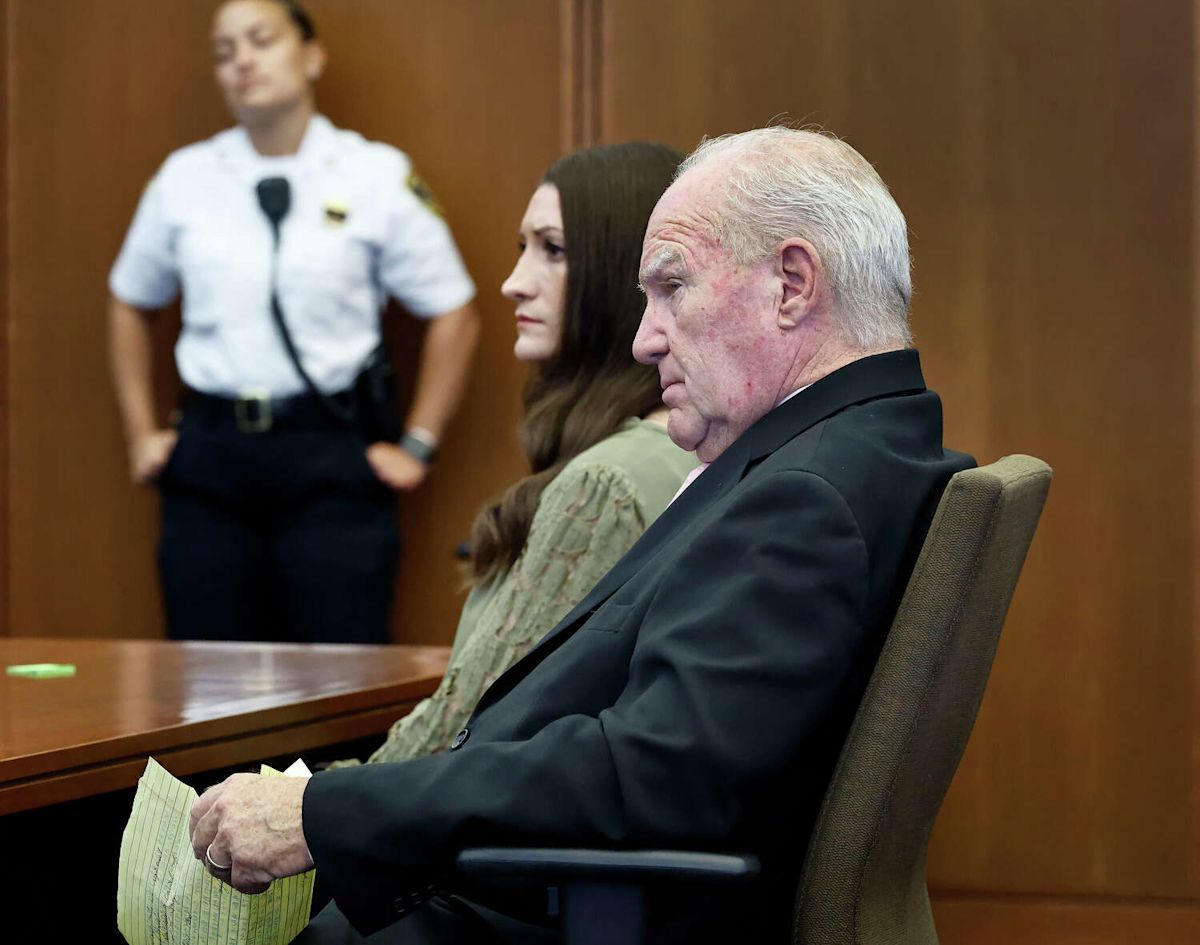
The judge overseeing the high-profile murder trial of Lindsay Clancy has mandated that the identities of all jurors remain sealed indefinitely, citing serious and ongoing concerns for their personal safety. The protective order applies to the full roster of 18 panel members, comprising the 12 primary deliberating jurors alongside six alternates who observed the proceedings.
Judge William Sullivan determined that the identities must stay impounded until a subsequent judicial directive is issued. The decision reflects growing alarm over the intense public scrutiny and emotional fallout that have surrounded the case both locally in Massachusetts and throughout the nation.
In his two-page written ruling, Sullivan articulated the immediate risks associated with disclosing juror information to the public. He emphasized that the court identified a substantial danger of immediate and irreparable harm if the identities were made openly accessible under the current circumstances.
The protective measure marks an extension of an earlier order issued when the trial concluded without a resolution. Sullivan had originally impounded the panel's names for a temporary 14-day window upon declaring a mistrial on September 4, after the jurors spent approximately a week in deliberations without arriving at a unanimous verdict.
In outlining the rationale behind the extended impoundment, Sullivan highlighted the exceptionally polarizing atmosphere that has enveloped the proceedings. He noted that the trial continues to generate deep division and widespread attention across Massachusetts and nationwide, fostering an environment fraught with tension.
The judge pointed directly to the digital sphere as a significant factor in his evaluation, observing that a massive volume of social media commentary has surfaced regarding the trial. Sullivan noted that online platforms have seen intense reactions and disputatious commentary focused specifically on how deliberations were conducted.
Physical security concerns near the courthouse further underscored the necessity of the protective order. Sullivan referenced an incident during the proceedings in which a 56-year-old Massachusetts woman was placed under arrest just outside the courthouse facility for secretly recording video of jurors as they exited the building.
Following her apprehension, the woman asserted to authorities that her intent had been solely to capture footage of Clancy rather than the jurors. Nonetheless, the unauthorized filming heightened court apprehensions regarding juror exposure and vulnerability during the high-stakes legal battle.
The court also took note of unauthorized disclosures that had already transpired in the public domain. Sullivan stated that some panel members had been publicly identified without granting their consent, prompting at least one juror to formally petition the bench for an indefinite extension of the sealing order.
The ruling comes in the wake of post-trial revelations that emerged when several jurors chose to speak to media outlets regarding the internal dynamics of their prolonged deliberations. Those interviews exposed the profound fractures that prevented the jury from rendering a conclusive verdict in the triple-murder case.
According to the jurors who agreed to public interviews, 11 of the 12 deciding members had reached a consensus to find Clancy not guilty by reason of insanity. The prospective acquittal was stymied by a single holdout juror who refused to sign onto the majority's conclusion.
Jurors who spoke with reporters indicated that the lone dissenting member resisted acquitting Clancy despite having acknowledged at one point during deliberations that reasonable doubts existed concerning her guilt. That persistent division ultimately resulted in the deadlock and the court's mistrial declaration.
The underlying legal proceedings stem from the tragic January 24, 2023, deaths of Clancy’s three young children: five-year-old Cora, three-year-old Dawson, and eight-month-old Callan. Clancy, a native of Connecticut, faces three counts of first-degree murder in connection with the fatal strangulations.
Prosecutors alleged that Clancy carried out the killings at the family's residence while her then-husband, Patrick Clancy, had briefly stepped away from the home. The Commonwealth depicted the defendant as calculated, controlling, and manipulative, arguing that the acts were carried out with purposeful premeditation.
Conversely, the defense team, led by attorney Kevin Reddington, contended throughout the trial that Clancy was suffering from severe postpartum psychosis at the time of the incident. The defense argued that her profound mental illness rendered her unable to appreciate the wrongfulness of her conduct, thereby precluding criminal responsibility.
With the mistrial leaving the prosecution unresolved, the indefinite impoundment of the jury list remains in effect to safeguard panel members from public harassment and retaliation. Court records indicate that the sealed status will persist until Judge Sullivan explicitly orders otherwise in future court proceedings.





(0)